


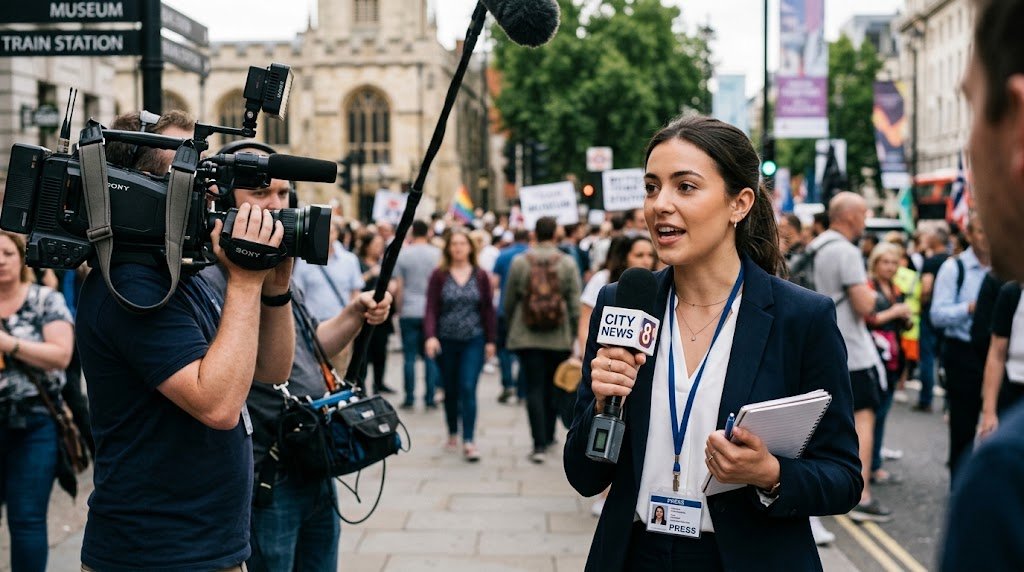
The newsroom is a high-energy arena where curiosity meets tight deadlines, and every morning brings a clean slate of stories waiting to be told. If you have ever pictured yourself chasing a scoop, interviewing key newsmakers, or anchoring the evening broadcast, you are certainly not alone. Becoming a news reporter remains one of the most dynamic career paths in modern media.
However, the traditional route into journalism has evolved significantly over the past decade. While a degree explicitly titled “Journalism” used to be the only golden ticket, today’s media outlets value diverse perspectives, digital savvy, and specialized knowledge. Newsrooms are actively looking for reporters who understand complex topics, analyze data, and craft compelling narratives across multiple digital platforms.
Choosing the right undergraduate program can serve as your launchpad into this fast-paced industry. Whether you are fascinated by investigative reporting, political coverage, or digital storytelling, your degree can sharpen the exact skills editors look for. Here are seven outstanding college majors that can pave your path to a successful career as a news reporter.
1. Journalism
It comes as no surprise that a major in journalism remains the most direct route into the newsroom. This program acts as a simulated newsroom, teaching you how to pitch stories, conduct tough interviews, write under pressure, and adhere to strict journalistic ethics.
Modern journalism programs go far beyond print news, embedding multimedia skills like video editing, podcast production, and audience analytics into the curriculum. You will gain hands-on experience by working for student newspapers, campus radio stations, or local news partners, giving you a professional portfolio before graduation day.
2. Broadcast Media & Communication
If your goal is to stand in front of a camera or hold a microphone, a degree in broadcast media or communication is an ideal fit. These majors focus heavily on vocal delivery, on-camera presence, lighting, and non-linear audio and video editing techniques.
Beyond technical production, communication majors study how media messages shape public opinion and culture. Understanding audience engagement and visual storytelling ensures that your field reports resonate with viewers across television, streaming networks, and social channels.
3. English or Creative Writing
At its core, journalism is the art of factual storytelling. English majors spend four years dissecting narrative structures, mastering grammar, and learning how to convey complex ideas with absolute clarity.
Reporters with a background in English excel at turning dense, confusing topics into engaging feature stories. Your sharp edit eye and deep command of language will make your copy stand out to editors who need polished, error-free drafts delivered on short notice.
4. Political Science
If you dream of covering local government meetings, national elections, or global conflicts, political science provides an incredible foundation. News agencies love hiring political science majors because they already understand legislative processes, policy structures, and international relations.
Instead of spending weeks getting up to speed on public policy, political science graduates can hit the ground running on the government beat. You will possess the background knowledge needed to ask sharp questions during press conferences and explain public policy to everyday readers.
5. Economics or Finance
Financial and business reporting is one of the most lucrative and high-demand sectors in modern journalism. Major networks and publications constantly search for reporters who can translate market trends, corporate moves, and economic policies into clear consumer advice.
An economics degree gives you a huge competitive advantage over general-assignment reporters. You will know how to read balance sheets, analyze market data, and track corporate accountability—skills that make you an invaluable asset to major news corporations and financial networks.
6. Digital Marketing & New Media
The digital age has completely transformed how news is gathered, distributed, and consumed. Majoring in digital media or interactive design equips you with modern technical skills like SEO, data visualization, social media strategy, and web design.
News organizations are no longer just looking for writers; they want multimedia creators who know how to package stories for mobile devices. Understanding digital analytics helps you create content that captures attention in an increasingly crowded media landscape.
7. Sociology or History
Great reporters are fundamentally curious about human behavior, societal structures, and historical context. A degree in sociology or history trains you to research deeply, evaluate primary source materials, and understand the cultural forces driving current events.
History and sociology majors excel at investigative journalism, contextualizing modern crises through historical precedents. This deep analytical mindset helps you look past surface-level announcements to uncover the broader context behind breaking news events.
Landing Your First Reporting Role
Regardless of which major you choose, remember that a degree is only one part of the equation. News editors care deeply about real-world experience, practical skills, and a demonstrated passion for news gathering.
-
Build a Portfolio: Start freelancing, write for campus publications, launch a podcast, or produce independent video reports to build a robust clip reel.
-
Intern Early: Apply for summer internships at local newspapers, radio stations, television channels, or digital news desks to gain real newsroom experience.
-
Master Digital Tools: Learn basic video editing, audio production, and search engine optimization (SEO) techniques to round out your skill set.
-
Network relentlessly: Connect with working journalists on social media, attend media conferences, and reach out to alumni working in newsrooms.
The path to becoming a news reporter is filled with constant learning, tight deadlines, and exciting discoveries. By pairing a strong academic foundation with practical reporting experience, you will be well on your way to breaking your first major story.